
Weight loss advice often centers on eating less. The volumetrics diet takes a different approach. It focuses on eating more food—just not more calories.
Built around the idea of fullness and calorie density, this plan encourages generous portions of foods that naturally contain fewer calories per gram. The goal is simple: feel satisfied while reducing overall calorie intake.
Created in 2000 by Barbara Rolls, a professor at Pennsylvania State University, the volumetrics diet shifts attention away from strict limits on fat, carbs, or protein. Instead, it centers on how many calories are packed into the foods consumed each day.
What Is the Volumetrics Diet?
The volumetrics diet is based on calorie density. Calorie density refers to the number of calories in a specific weight of food. Foods that are high in water and fiber usually contain fewer calories per gram. Foods high in fat and sugar contain more.
Research suggests that most people eat a similar volume of food daily. When portions shrink too much, hunger often increases. This plan replaces high-calorie foods with lower-calorie options that take up more space on the plate and in the stomach.
The approach leads to larger portions, lower calorie intake, and longer-lasting fullness. Instead of cutting out entire food groups, the diet adjusts food choices within daily calorie goals.
How the Volumetrics Diet Works
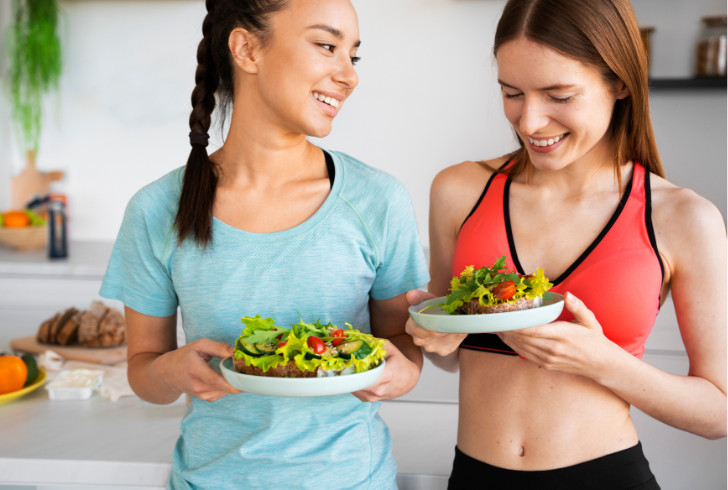
The system encourages swapping calorie-dense foods for foods with lower calorie density. Water-rich foods play a key role. Fruits, vegetables, and broth-based soups add bulk without driving up calories.
Key principles include:
1. Prioritize foods high in water and fiber
2. Reduce intake of calorie-dense fast food, oils, and fats
3. Set a personal daily calorie goal
4. Increase physical activity gradually
Drinking water supports fullness, but the real focus remains on foods that naturally contain water. Whole fruits, vegetables, and soups help increase meal size without increasing calorie intake.
The program also promotes movement. Participants begin by adding at least 150 extra steps per day. After one week, the goal increases to 1,000 additional steps daily. Over time, the target builds to at least 10,000 steps per day.
Are There Restrictions?
No foods are completely off-limits. The plan categorizes foods by calorie density and suggests how often to eat them.
Highly calorie-dense items such as fast food, butter, oil, shortening, nuts, seeds, candies, and chips should be eaten in small amounts. The structure focuses on moderation rather than elimination.
Before making major changes to eating or exercise habits, consulting a physician is advised. Books written by Barbara Rolls provide detailed guidance and recipes for those who choose to follow the plan.
The Four Food Categories in the Volumetrics Diet
The diet organizes foods into four groups according to their calorie density, measured by calories per gram.
Category 1: Very Low Calorie Density
These foods make up the foundation of the plan and can generally be eaten without strict limits. They help fill the stomach while keeping total calorie intake relatively low.
Examples include:
- Broth-based soups
- Fruits such as bananas, apples, and grapefruit
- Non-fat dairy options like plain yogurt and skim milk
- Non-starchy vegetables, including zucchini, broccoli, kale, and beets
Because they contain plenty of water and fiber, these foods help you feel full without adding many calories.
Category 2: Low Calorie Density
Foods in this group should be eaten in reasonable portions. They contribute protein, fiber, and other important nutrients.
Examples include:
- Skinless turkey or chicken
- Starchy vegetables like potatoes and corn
- Whole grains such as quinoa and whole-wheat pasta
- Beans, chickpeas, and lentils
They help make meals more satisfying while still supporting calorie control.
Category 3: Medium Calorie Density

Portion awareness becomes more important in this category.
Examples include:
- Refined grains such as white rice and flour tortillas
- Ice cream
- Cheese
- Whole milk
- Poultry with skin
- Fatty cuts of meat
These foods are allowed, but smaller servings help prevent calorie intake from climbing too quickly.
Category 4: High Calorie Density
Items in this group pack the most calories into the smallest amounts.
Examples include:
- Fast food
- Nuts and seeds
- Candy and chips
- Butter, oil, and shortening
The diet recommends enjoying these foods occasionally and in limited quantities.
Does the Volumetrics Diet Help With Weight Loss?
The concept behind the diet aligns with research on satiety and calorie density. Foods high in water and fiber tend to reduce hunger while keeping overall calories lower. Because the plan avoids extreme restrictions, many people find it easier to maintain over time.
Weight loss ultimately depends on maintaining a calorie deficit. The volumetrics method helps create that deficit by increasing food volume without dramatically increasing calories. Its four-category structure and gradual lifestyle adjustments simplify daily choices.
Barbara Rolls of Pennsylvania State University introduced the approach in 2000. Instead of strict macronutrient targets, the plan focuses on calorie density. Combined with regular exercise and professional medical guidance, it can support long-term weight management.