
Stress has a way of sneaking into daily life. Uncertain global events, nonstop updates, and heavy headlines keep the mind alert and the body tense. When this stress lingers, it doesn’t just affect mood. It places real pressure on the heart, sleep, and overall health.
Mental health professionals stress the need to interrupt this pattern during the day, even in small ways. One proven breathing exercise can do exactly that in just one minute.
A One-Minute Reset Used by Elite Forces
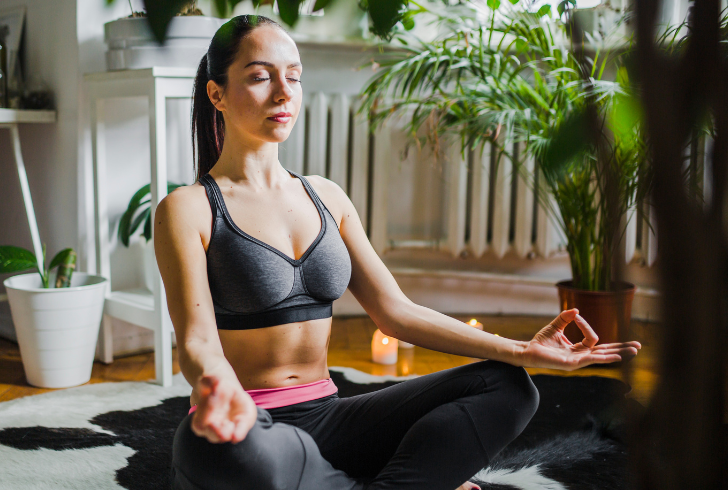
Psychotherapist and TODAY contributor Niro Feliciano recommends a simple breathing practice known as box breathing. This method is widely used by military special forces combat units to stay calm under pressure and regain control during intense moments.
“It doesn’t take very long to experience that,” Feliciano told TODAY.com. “(It’s) very simple.”
Box breathing works by guiding the breath through a steady rhythm. The goal is to signal safety to the nervous system and slow the body’s stress response.
How Box Breathing Works on the Body
Stress, whether physical or emotional, can push the body into fight-or-flight mode. During this response, adrenaline and cortisol flood the bloodstream. Heart rate rises, blood pressure increases, breathing becomes shallow, and muscles tighten to prepare for danger.
When this response stays active for long periods, it can lead to serious health concerns. The National Library of Medicine links chronic stress to sleep issues, digestive problems, headaches, anxiety, heart disease, and high blood pressure. Constant strain keeps the body in a high-alert state that wears down multiple systems over time.
Box breathing helps interrupt this cycle by slowing breathing and calming the nervous system.
How to Practice Box Breathing in One Minute
Feliciano suggests using reminders throughout the day to make this exercise a habit. A phone alarm every few hours can help prompt the practice.
Her recommended version follows a simple pattern:
1. Inhale for four seconds
2. Exhale for six seconds
3. Repeat the cycle six times, totaling one minute
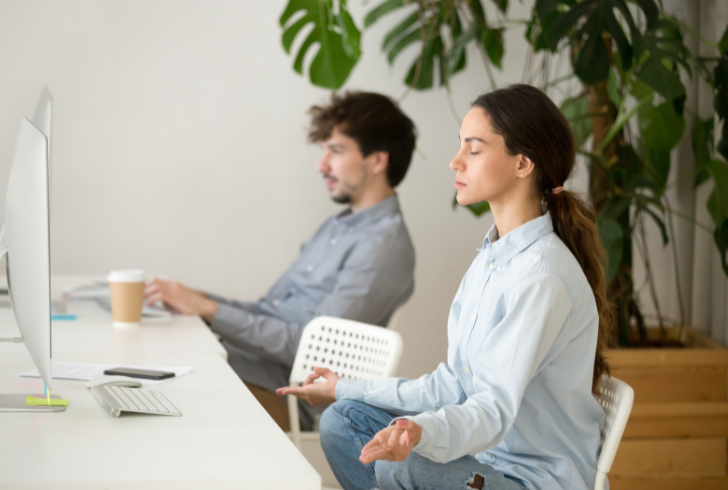
“I always say longer exhalation is the key to relaxation. That longer exhalation will stimulate the vagus nerve and take you out of fight or flight,” Feliciano explains.
“You want the exhale to be longer than the inhale. That’s the key.”
Why the Vagus Nerve Matters
The vagus nerve, the longest nerve in the body, plays a major role in regulating heart rate, digestion, and relaxation. Doctors at Cedars-Sinai note that stimulating this nerve encourages a calmer state and helps the body shift out of stress mode.
Some versions of box breathing also include holding the breath for four or five counts after each inhale and exhale. These pauses can deepen the calming effect, especially when practiced consistently.
For moments when the heart feels like it’s racing, cardiologists also point to quick techniques such as blowing through a straw to help lower pulse rate.
Box breathing offers a practical way to ease stress without equipment, special settings, or long time commitments. Practiced regularly, it helps reduce physical tension, steady the heart, and bring the nervous system back into balance.
Even brief pauses like this can make a noticeable difference in how the body handles ongoing pressure throughout the day.